
DCEC Cummins ISL9.5 Automotive Engine — 292–425 PS Heavy-Duty Truck Power
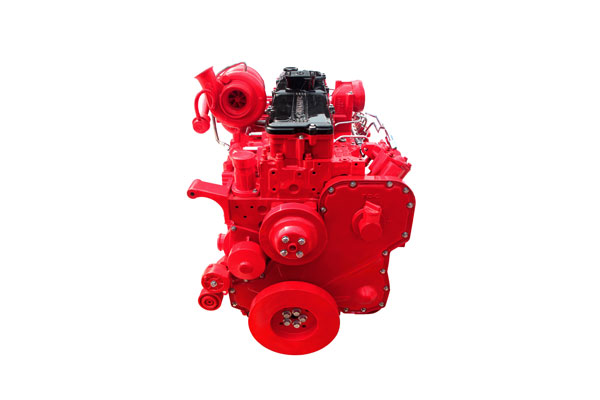
The DCEC Cummins ISL9.5 is a 9.46-liter, inline-six, four-stroke heavy-duty truck engine manufactured by the Dongfeng Cummins Engine Company (DCEC) joint venture. It is the larger-displacement evolution of the proven Cummins L platform, sharing core architecture with the ISLe8.9 but featuring a wider bore (116.5 mm vs 114 mm) and longer stroke (148 mm vs 145 mm) for substantially greater torque output.
Producing 292 to 425 PS (215–313 kW) and up to 1,810 N·m of peak torque, the ISL9.5 is engineered for 8×4 cargo trucks, tractor units, tippers and intercity buses operating in demanding long-haul and construction logistics. With a dry weight of just 704 kg, it delivers one of the best power-to-weight ratios in its class.
Core Specifications
| Parameter | Specification |
|---|---|
| Engine Type | Inline 6-cylinder, 4-stroke, water-cooled, turbocharged & air-to-air intercooled |
| Displacement | 9.46 L (9,460 cc) |
| Bore × Stroke | 116.5 mm × 148 mm |
| Valve Train | 4 valves per cylinder, 24 valves total, SOHC |
| Rated Power | 215–313 kW (292–425 PS) @ 1900 RPM |
| Peak Torque | 1,200–1,810 N·m @ 1,100–1,700 RPM |
| Rated Speed | 1,900 RPM (Euro IV/V); 2,000 RPM (Euro III LK series) |
| Fuel System | Cummins CCR / Kunpeng high-pressure common rail (up to 1,800 bar) — Euro IV; CFSW (HPCR) — Euro V |
| Compression Ratio | 16.6 : 1 |
| Aspiration | Holset wastegate turbocharger with air-to-air charge air cooling |
| Dry Weight | ~704 kg (base engine) |
| Dimensions (L × W × H) | 1,149 × 767 × 1,105 mm |
| Idle Speed | 700 ± 50 RPM |
| Emissions | Euro III / Euro IV / Euro V (China IV / China V) |
| Cold Start | −15 °C unaided; −35 °C with intake preheater (7.8 kW starter) |
| Fuel Consumption | ~190 g/kW·h at best economy point |
| Max Operating Altitude | 4,000 m continuous |
| Firing Order | 1–5–3–6–2–4 |
Complete Model Lineup
Euro III — ISL9.5S3 / LK Series
The early Euro III models carry the LK designation and use an HPCR fuel system. They are rated at 2,000 RPM and remain in service across many emerging markets where lower-sulfur fuel is not yet universally available.
| Model | Rated Power | Peak Torque | Fuel System |
|---|---|---|---|
| LK290 33 | 217 kW (296 PS) @ 2000 RPM | 1,350 N·m @ 1,100 RPM | HPCR |
| LK340 33 | 252 kW (343 PS) @ 2000 RPM | 1,500 N·m @ 1,300 RPM | HPCR |
| LK340 33-II | 248 kW (337 PS) @ 2000 RPM | 1,550 N·m @ 1,200–1,300 RPM | HPCR |
Euro IV — E40 Series (CCR / Kunpeng Common Rail)
The Euro IV lineup is the broadest, with ten unique power levels and over twenty factory calibrations. The suffix letters (A, A-II, E41A, E42A, E43A) denote different torque curves and ECU maps tailored to specific GVW ratings, axle ratios and vocational applications.
| Power (PS) | Available Models | Rated Power | Peak Torque Range |
|---|---|---|---|
| 292 PS | ISL9.5-292E40A, E40A-II, E42A, E43A | 215 kW @ 1900 RPM | 1,200–1,400 N·m |
| 315 PS | ISL9.5-315E40A, E40A-II, E43A | 232 kW @ 1900 RPM | 1,250–1,500 N·m |
| 325 PS | ISL9.5-325E40A | 239 kW @ 1900 RPM | 1,400 N·m @ 1,100–1,500 |
| 340 PS | ISL9.5-340E40A, E40A-II, E41A, E42A, E43A | 250 kW @ 1900 RPM | 1,500–1,620 N·m |
| 350 PS | ISL9.5-350E40A, E40A-II | 257 kW @ 1900 RPM | 1,500 N·m @ 1,100–1,600 |
| 360 PS | ISL9.5-360E40A | 265 kW @ 1900 RPM | 1,600 N·m @ 1,200–1,500 |
| 375 PS | ISL9.5-375E40A, E40A-II, E42A | 276 kW @ 1900 RPM | 1,620–1,700 N·m |
| 385 PS | ISL9.5-385E40A, E40A-II, E41A | 283 kW @ 1900 RPM | 1,600 N·m @ 1,100–1,700 |
| 400 PS | ISL9.5-400E40A, E40A-II | 294 kW @ 1900 RPM | 1,710 N·m @ 1,200–1,400 |
| 425 PS | ISL9.5-425E40A | 313 kW @ 1900 RPM | 1,810 N·m @ 1,300–1,400 |
Euro V / China V — E51 / E53 Series (CFSW HPCR)
The China V models use the upgraded CFSW (HPCR) fuel system and SCR aftertreatment to meet GB 17691-2005 limits. The E53A calibration at 340 PS delivers 1,620 N·m — a 120 N·m increase over the E51A equivalent — specifically targeting heavy-haul tractor applications.
| Model | Rated Power | Peak Torque | Fuel System |
|---|---|---|---|
| ISL9.5-292E51A | 215 kW (292 PS) @ 1900 | 1,200 N·m @ 1,100–1,700 | CFSW (HPCR) |
| ISL9.5-315E51A | 232 kW (315 PS) @ 1900 | 1,250 N·m @ 1,100–1,700 | CFSW (HPCR) |
| ISL9.5-340E51A | 251 kW (340 PS) @ 1900 | 1,500 N·m @ 1,100–1,500 | CFSW (HPCR) |
| ISL9.5-340E53A | 251 kW (340 PS) @ 1900 | 1,620 N·m @ 1,100–1,700 | CFSW (HPCR) |
| ISL9.5-360E51A | 268 kW (360 PS) @ 1900 | 1,600 N·m @ 1,200–1,500 | CFSW (HPCR) |
| ISL9.5-385E51A | 282 kW (385 PS) @ 1900 | 1,600 N·m @ 1,200–1,600 | CFSW (HPCR) |
| ISL9.5-400E51A | 295 kW (400 PS) @ 1900 | 1,710 N·m @ 1,200–1,400 | CFSW (HPCR) |
Fuel System Technology: CCR / Kunpeng Common Rail
The ISL9.5 Euro IV uses the Cummins CCR (Cummins Common Rail) high-pressure fuel system, marketed in China as the Kunpeng (鲲鹏) common rail system. It generates injection pressures up to 1,800 bar, enabling multiple pilot, main and post injection events per combustion cycle. This precise fuel delivery translates into quieter operation, better cold-start behavior and lower fuel consumption — approximately 190 g/kW·h at the best economy point.
For Euro V / China V models, the system is upgraded to CFSW (HPCR), which integrates tighter combustion control with the SCR aftertreatment system. The CFSW designation reflects DCEC’s continued evolution of the common rail platform to meet stricter NOx and PM limits without sacrificing the fuel efficiency that operators expect.
Key fuel system features include:
- Up to 1,800 bar injection pressure for finer atomization and complete combustion
- Multi-event injection (pilot + main + post) reducing combustion noise by up to 3 dB
- High-capacity fuel filtration with Cummins Filtration’s NanoNet media for extended injector life
- Electronic control via a high-capacity ECM that communicates with AMT transmissions, ABS and ASR over the standard J1939 data bus
Key Engineering Features
Heavy-Duty Block Design
The ISL9.5 adopts a reinforced cylinder block with integrated fluid lines, a high-strength forged steel crankshaft, and high-durability articulated pistons with internal cooling oil galleries. The mid-stop cylinder liners use a special platform honing process that reduces oil consumption and extends bore life. These are design features normally reserved for larger 11–13 liter engines, giving the 9.5-liter ISL exceptional mechanical reserve.
Holset Wastegate Turbocharger
Supplied by Cummins Turbo Technologies (Holset), the wastegated turbocharger is matched to deliver strong low-end torque from 1,100 RPM. The wide torque plateau — spanning 1,100 to 1,700 RPM on most calibrations — means fewer gear shifts on grades and better drivability in stop-start urban and highway cycles alike.
Integrated Electronic Platform
The engine’s ECM has significantly higher processing capacity than previous-generation L-series controllers. It collects real-time data from the electronic transmission, ABS braking, ASR traction control and other powertrain components over the J1939 bus, creating a seamless vehicle-level information network. This integration supports cruise control, PTO management, engine protection derating and comprehensive on-board diagnostics (OBD).
Cold Start & High-Altitude Performance
Equipped with a 7.8 kW starter motor and intake air electric preheater, the ISL9.5 starts reliably at temperatures as low as −15 °C without assistance and down to −35 °C with the preheater engaged — validated at China’s Mohe Arctic Village. The turbocharger and fuel mapping maintain full power up to 4,000 m altitude, making the engine suitable for high-plateau routes in the Andes, Himalayas and East African highlands.
Durability & Service Life
DCEC reports that approximately 30% of ISL9.5 engines reach 800,000 km without major overhaul. The design targets a B10 life of 800,000 km under typical heavy-truck duty cycles. Extended oil drain intervals, maintenance-free valve lash adjustments beyond industry standards and auto-tensioning belts all contribute to lower operating costs over the engine’s life.
Applications
The ISL9.5 is purpose-built for on-highway commercial vehicles. Typical applications include:
| Vehicle Type | Recommended Power Range | Typical GVW / GCW |
|---|---|---|
| 8×4 Heavy Cargo Truck | 340–400 PS | 31–40 t GVW |
| 6×4 Tractor Unit | 375–425 PS | 40–55 t GCW |
| 4×2 Tractor / Distribution | 292–340 PS | 25–35 t GCW |
| Tipper / Dump Truck | 340–385 PS | 25–35 t GVW |
| Intercity / Tourist Coach | 292–360 PS | 12–14 m bus |
| Concrete Mixer / Specialized | 340–375 PS | 25–31 t GVW |
ISL9.5 vs ISLe8.9 vs L9.5-G: Same Platform, Different Missions
The ISL9.5 shares its L-platform architecture with the ISLe8.9 automotive and L9.5 generator engines, but each version is calibrated and configured for a distinct application. Choosing the wrong version can lead to premature wear, warranty issues and poor performance.
| Feature | ISL9.5 Automotive | ISLe8.9 Automotive | L9.5 Generator |
|---|---|---|---|
| Displacement | 9.46 L | 8.9 L | 9.46 L |
| Bore × Stroke | 116.5 × 148 mm | 114 × 145 mm | 116.5 × 148 mm |
| Power Range | 292–425 PS @ 1900 RPM | 270–400 PS @ 2100 RPM | 250–290 kW @ 1500 RPM |
| Peak Torque | 1,200–1,810 N·m | 1,050–1,700 N·m | Fixed-speed governed |
| Dry Weight | ~704 kg | ~707 kg | ~780 kg (with radiator) |
| Fuel System | CCR / CFSW (1,800 bar) | CCR (1,800 bar) | CCR / HPCR |
| Governor Type | Variable-speed (automotive) | Variable-speed (automotive) | Isochronous (fixed 1500/1800 RPM) |
| Primary Application | Trucks, tractors, tippers, buses | Medium-heavy trucks, buses | Diesel generator sets |
| Cooling Package | Vehicle-mounted radiator | Vehicle-mounted radiator | Integrated radiator + fan guard |
| Flywheel / SAE Housing | SAE 1 (truck clutch) | SAE 1 (truck clutch) | SAE 1 (generator coupling) |
Key takeaway: The ISL9.5 offers more torque than the ISLe8.9 thanks to its larger displacement, making it the better choice for 8×4 trucks and heavy tractors above 40 t GCW. The L9.5-G generator version uses the same block but runs at a fixed 1,500 or 1,800 RPM with an isochronous governor — it cannot be used in a vehicle, and a vehicle ISL9.5 should not be converted to generator duty without a complete governor and cooling system change.
Competitive Comparison
How does the ISL9.5 stack up against Chinese domestic competitors in the 9–11 liter heavy-truck segment?
| Specification | Cummins ISL9.5 | Weichai WP9H | Weichai WP10.5H | Yuchai YC6MK |
|---|---|---|---|---|
| Displacement | 9.46 L | 8.8 L | 10.5 L | 10.34 L |
| Cylinders | 6-inline | 6-inline | 6-inline | 6-inline |
| Power Range | 292–425 PS | 310–390 PS | 430–460 PS | 340–420 PS |
| Peak Torque | 1,200–1,810 N·m | 1,600–1,700 N·m | 2,000–2,100 N·m | 1,500–1,800 N·m |
| Dry Weight | ~704 kg | 815 kg | 815–820 kg | ~850 kg |
| Fuel System | CCR/CFSW CR (1,800 bar) | Common rail + SCR | Common rail + SCR/DPF | Bosch CR + SCR |
| Rated RPM | 1,900 | 1,900–2,100 | 1,900 | 1,900 |
| Best BSFC | ~190 g/kW·h | 185 g/kW·h | 181 g/kW·h | ≤188 g/kW·h |
| Service Network | Cummins global | China + emerging markets | China + emerging markets | China + SE Asia |
The ISL9.5’s most significant advantage is its 100+ kg weight saving over the Weichai WP9H (815 kg) and WP10.5H (815–820 kg). That weight difference translates directly into increased payload capacity for cargo operators. While the WP10.5H leads in absolute torque for the heaviest long-haul tractors, the ISL9.5 covers the 292–425 PS sweet spot for 8×4 cargo and regional tractors with the added benefit of Cummins’ worldwide parts and service network across 190+ countries.
Maintenance & Operating Costs
| Service Item | Interval | Notes |
|---|---|---|
| Oil & Filter Change | 20,000–40,000 km | Use Cummins CES 20086 approved 15W-40 / 10W-30 |
| Fuel Filter Replacement | 20,000 km | Cummins Filtration FF5706 or equivalent |
| Valve Lash Adjustment | 160,000 km (inspection only) | Beyond industry standard; no scheduled adjustment under normal use |
| Fan Belt Inspection | 40,000 km (visual) | Auto-tensioner; no manual adjustment required |
| Coolant Replacement | 2 years / 200,000 km | Use Cummins DCA4 additive or equivalent OAT coolant |
| Injector Inspection | No scheduled interval | Common rail injectors are monitored by ECM; replace only on fault code |
| Major Overhaul | 800,000 km+ (B10 target) | 30% of verified units exceed 800,000 km without overhaul |
For detailed guidance on maintaining Cummins fuel systems, refer to our Cummins PT fuel system maintenance and troubleshooting guide. Genuine Cummins parts can be verified and ordered through the official Cummins Parts portal.
Why Source Your ISL9.5 from BLSH Diesel?
BLSH Diesel supplies genuine DCEC-manufactured ISL9.5 engines and complete replacement assemblies to fleet operators, truck dealers and importers worldwide. Every engine we ship is factory-tested and comes with full DCEC certification. We handle export documentation, ocean freight packing and can arrange delivery to your nearest port.
- Full model range: All Euro III, Euro IV and Euro V calibrations available, including the high-torque E43A and E53A variants
- Genuine DCEC product: Direct from Dongfeng Cummins, not rebuilt or aftermarket
- Global shipping: Sea freight to major ports worldwide; typical lead time 15–30 working days
- Technical support: Our team can help you match the correct SO number and calibration to your chassis
- Parts supply: Ongoing supply of filters, injectors, turbochargers and overhaul kits
Request a Quote for ISL9.5 Automotive Engines
Tell us your required model, emission standard and destination port — we’ll respond with pricing and lead time within 24 hours.
Contact BLSH DieselFrequently Asked Questions
What is the difference between ISL9.5 and ISLe8.9?
The ISL9.5 is a larger-bore, longer-stroke evolution of the same L platform. It displaces 9.46 L (vs 8.9 L), produces up to 425 PS and 1,810 N·m (vs 400 PS / 1,700 N·m for the ISLe8.9), and is aimed at heavier 8×4 cargo trucks and tractors above 40 t GCW. The ISLe8.9 is slightly lighter and better suited to medium-heavy trucks, tippers and buses in the 270–400 PS range. Both share the CCR common rail fuel system and many service parts.
What trucks use the Cummins ISL9.5 engine?
The ISL9.5 is factory-installed in Dongfeng Kinland and Tianlong heavy trucks, including 8×4 cargo models, 6×4 and 4×2 tractor units, tippers, concrete mixers and 12–14 meter intercity coaches. It is also available as a replacement engine for other Chinese heavy-duty truck brands where the engine bay accommodates a 9.5-liter inline-six package.
What fuel system does the ISL9.5 use?
Euro IV models use the Cummins CCR (Cummins Common Rail) system, branded as Kunpeng in China, with injection pressures up to 1,800 bar. Euro V / China V models use the upgraded CFSW (HPCR) system integrated with SCR aftertreatment. This is not the XPI system found on larger 13-liter ISZ13 engines — the CCR/Kunpeng system is purpose-matched to the 9.5-liter platform.
What is the service life of the ISL9.5?
DCEC verification data shows that approximately 30% of ISL9.5 engines reach 800,000 km without a major overhaul. The B10 design target is 800,000 km under normal heavy-truck duty cycles. Actual service life depends on maintenance discipline, operating conditions and load factors — regular oil and filter changes with genuine Cummins consumables are the most important factor.
How does the ISL9.5 compare to the Weichai WP9H?
The ISL9.5 (9.46 L) and Weichai WP9H (8.8 L) compete directly in the 310–400 PS segment. The ISL9.5 is roughly 110 kg lighter (704 kg vs 815 kg), which increases payload capacity, and offers a wider power range starting at 292 PS. The WP9H has a slightly lower published best BSFC (185 vs 190 g/kW·h), but the ISL9.5 benefits from Cummins’ global service network in 190+ countries, a significant advantage for cross-border and export operators.
Can an ISL9.5 automotive engine be used in a generator set?
No. The ISL9.5 automotive version uses a variable-speed governor designed for vehicle throttle response, while the L9.5 generator version uses an isochronous governor that holds a fixed 1,500 or 1,800 RPM regardless of load. The cooling packages, flywheel housings and ECU calibrations are also different. For generator applications, always specify the dedicated L9.5 generator engine.